
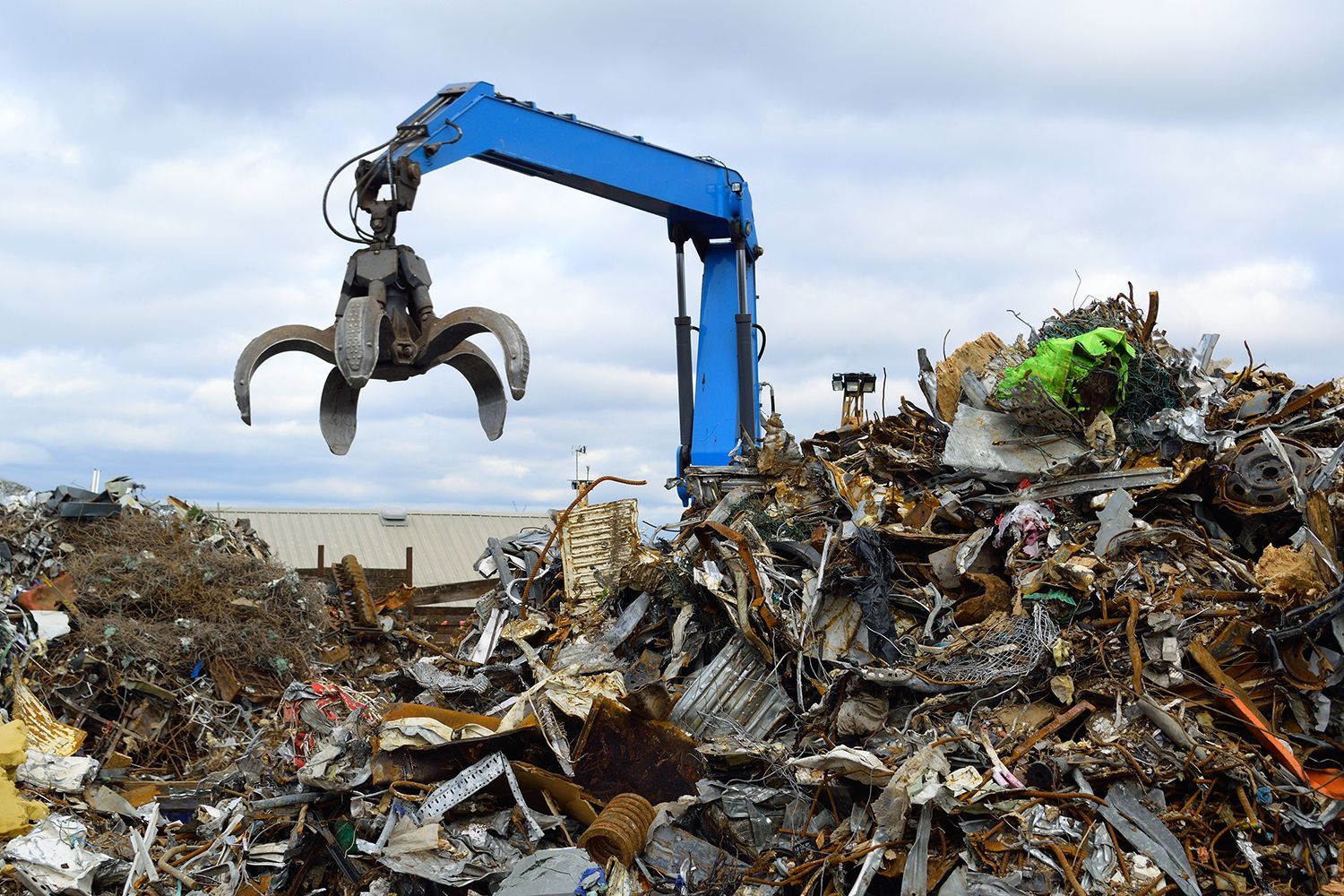
Container bins
Container bins for business accounts
For business and industrial accounts generating more scrap than makes sense to haul in yourself: we place a roll-off container on your site, collect it when it fills, and pay you for the material inside.
Sizes we run
10, 20, 30, and 40 yard containers
Scrap is sized by what it weighs, not by how big the job feels. Dense steel reaches a legal load in a small box, while light material fills a large one. Pick the size closest to your material, or tell us the job and we will size it.
What we buy
What goes in the container
Metal only. Everything below is material we buy. See what we take for the full list.
- Structural steel & beams
- Mixed ferrous scrap
- Ductwork & HVAC
- Roofing & siding
- Appliances (Freon removed)
- Machinery & motors
- Pipe & conduit
- Copper, brass & aluminum
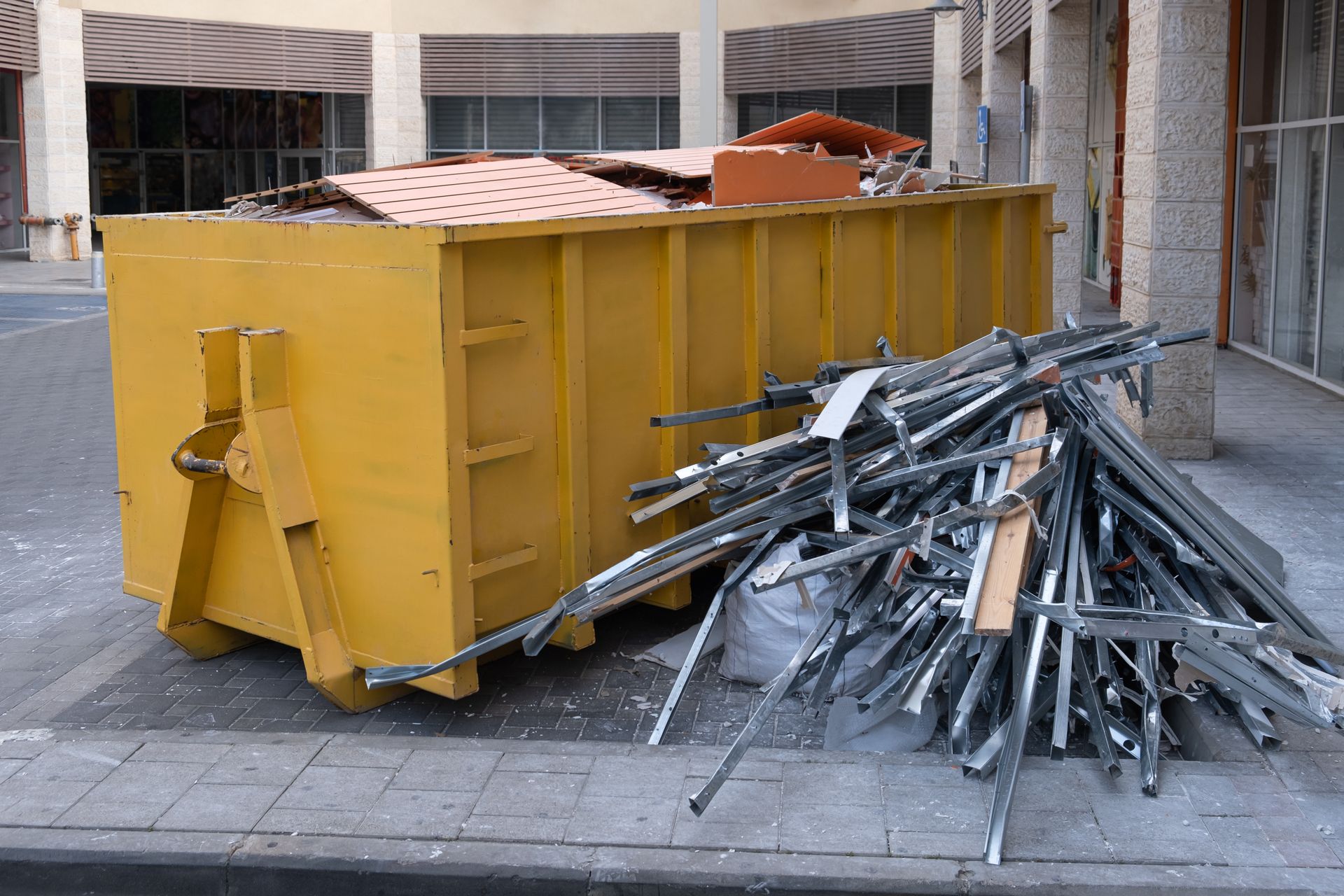
Set up as an account
Container placement is a business and industrial account service, not a general rental. We look at the material you generate, how much of it there is, and how often it needs to move, then set the terms with you up front so there are no surprises on either side.
Manufacturers, fabricators, demolition companies, and contractors with steady volume are exactly who this is built for. One request starts the conversation; from there the metal turns into revenue instead of a disposal problem.
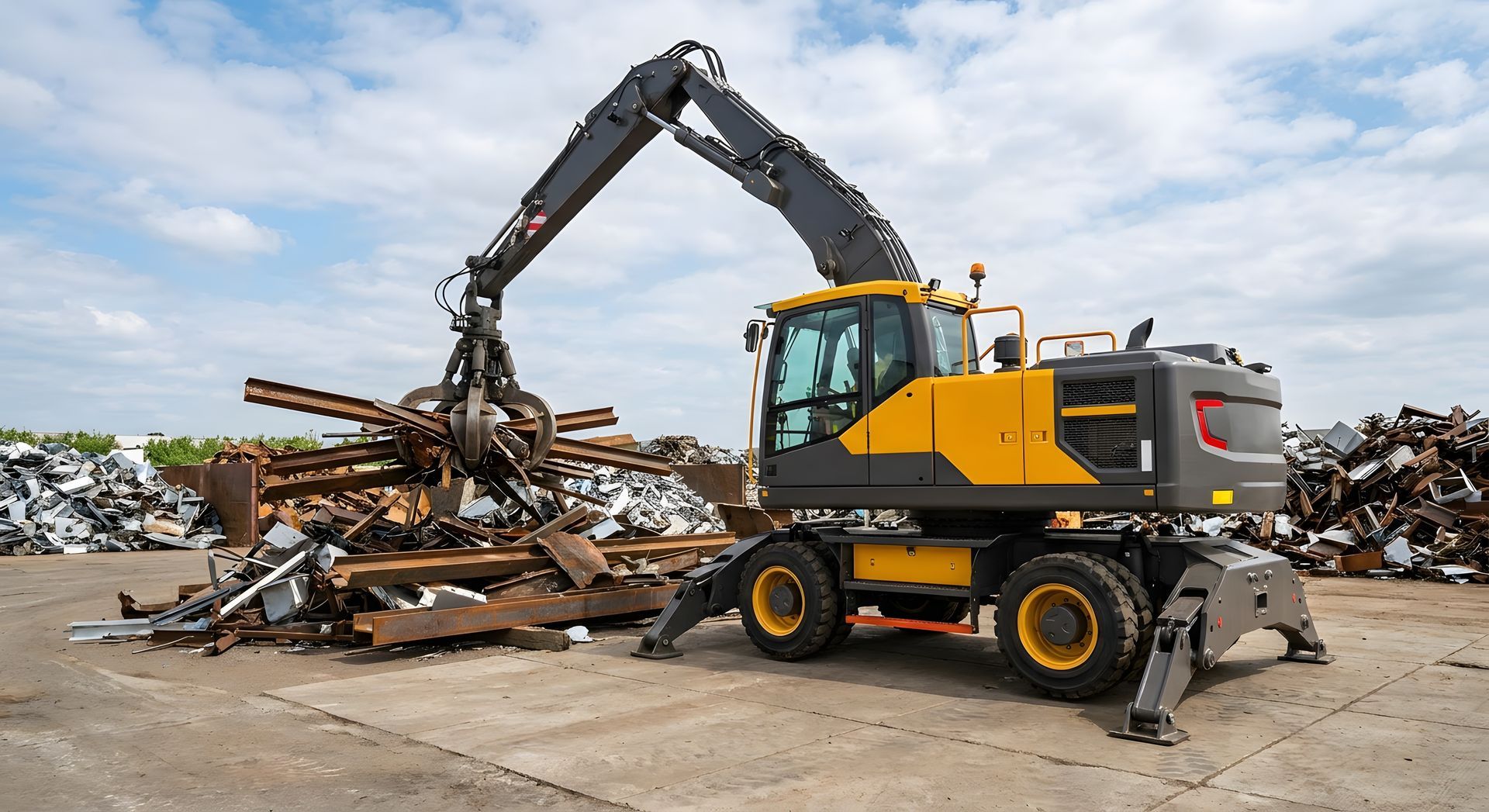
How the size gets decided
Scrap does not size like construction debris. Dense material like structural steel, cast iron, and machinery reaches a legal road weight in a small box, so a 10 or 20 yard is the correct container even on a large job. Light, bulky material like ductwork and siding is the opposite: it fills volume long before weight, which is what the 30 and 40 yard are for.
That is why we ask what the material is before we ask how big the job is. Sending a 40 yard to a job producing heavy steel would leave you with a container you can never fill and a footprint on site you cannot use.
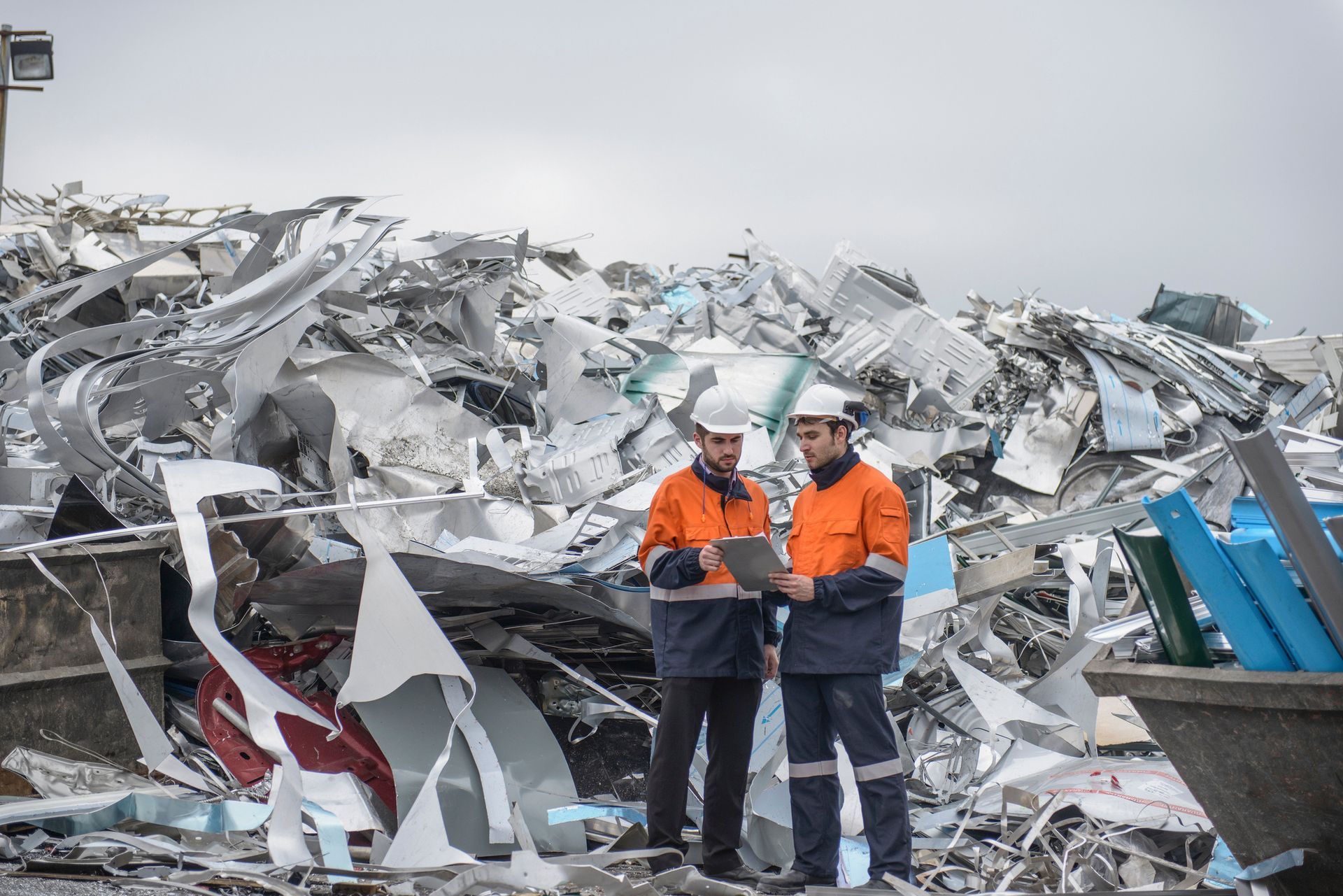
Before the truck arrives
A loaded roll-off is heavy and it needs a firm, level place to sit, because soft ground and fresh asphalt do not hold up under one. The truck also needs clear room behind the container to back in and tip the box off its rails, which is more space than the container itself takes.
Check overhead as well. Power lines, gutters, door canopies, and low branches all sit in the arc the box swings through as it comes off the truck, and none of them show up on a site plan. Walk the spot before delivery day and tell us about anything tight.
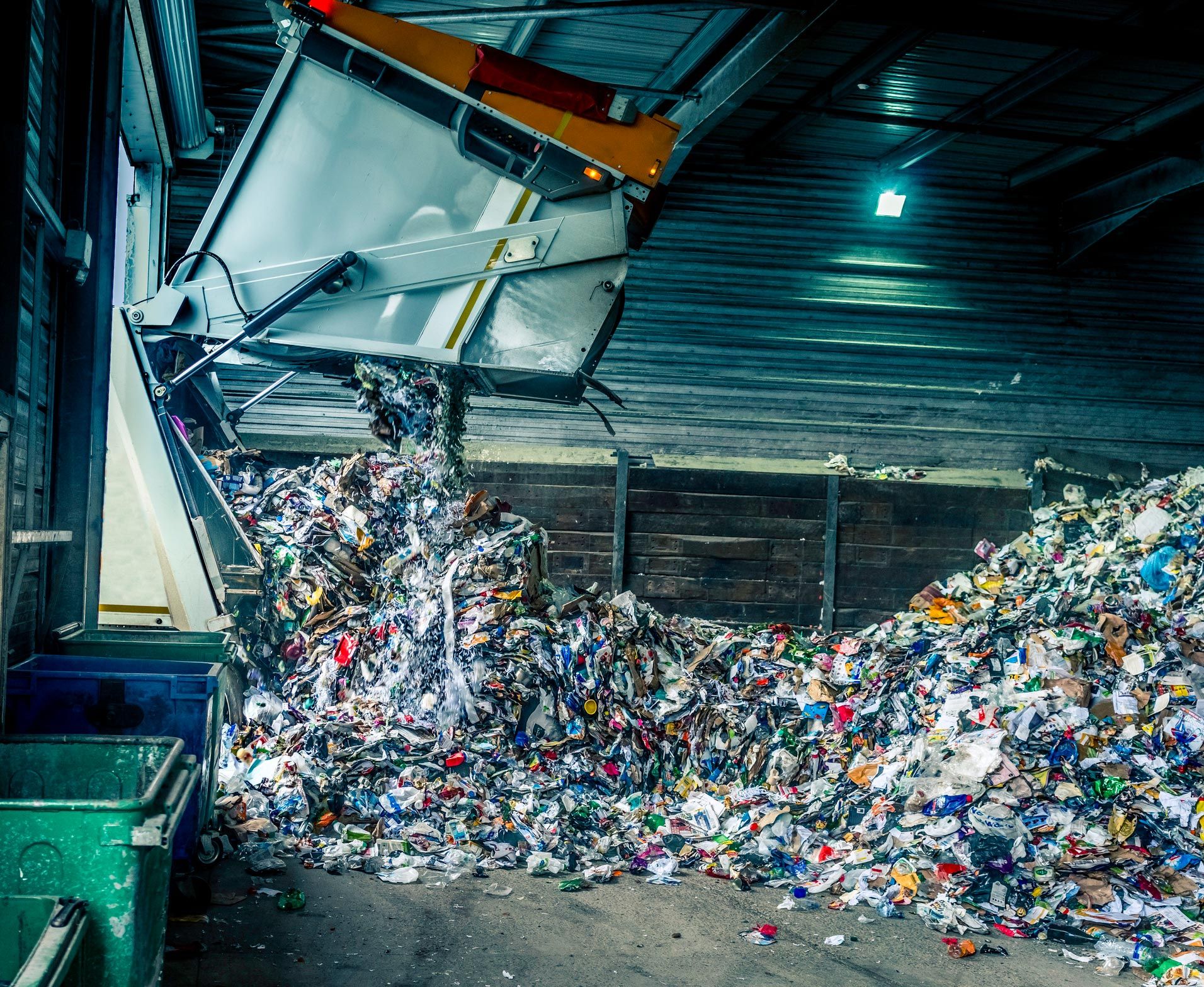
Organized and prompt
We stay organized and on schedule. Whenever you use one of our bins, we work to get to you as quickly as we can, because a full bin sitting on your site is a job you cannot finish.
Accounts with predictable volume can be put on a standing swap rather than calling each time, so the container never becomes the thing holding up the work. We run 10, 20, 30, and 40 yard roll-offs, and our trucks, cranes, and excavators handle the rest once it reaches the yard.
Good to know
Frequently asked questions
Business and industrial accounts generating scrap in quantities too large to haul in yourself: manufacturers, fabricators, demolition companies, and contractors with steady volume. It is a selective service rather than something we place for anyone who asks. Call us with your volume and we will tell you honestly whether it makes sense.
It depends on the material more than the job. Heavy steel and cast iron reach a legal load in a 10 or 20 yard, while light bulky material like ductwork, siding, and appliances calls for a 30 or 40 yard. Tell us what you generate and we will size it.
Metal only. Mixed ferrous, structural steel, sheet, appliances with the Freon removed, machinery, pipe, and non-ferrous like copper, brass, and aluminum all go in the same box, and we sort and grade at the yard. Keep out wood, concrete, plastic, general trash, tires, anything holding fuel, and appliances that still hold Freon.
Yes. The material is weighed on certified scales when it reaches the yard, graded, and paid out. A container does not change what your scrap is worth; it changes how it gets to us.
Room for the container plus clear space behind it for the truck to back in and tip the box off the rails, on ground firm and level enough to hold a loaded roll-off. Check overhead for power lines, canopies, and branches too. Each size page lists an approximate footprint, so confirm the exact one with us when you book.
As soon as we can get a truck to you. If your volume is steady, a standing schedule is the better arrangement, so the container gets swapped before it becomes a problem rather than after.
Container service
Request a container
Container placement is set up per account, based on the material you generate and how much of it there is. Call the yard, tell us the job, and we will size it.
Find the yard
Visit us in Narvon
We serve Lancaster County, Reading, and the surrounding area from one yard on Division Highway.
- Phone
- (717) 354-7734
- Fax
- (717) 354-4720
Hours of operation
- Monday to Friday
- 8:00 am to 4:30 pm
- Saturday
- 8:00 am to 12:00 pm
- Sunday
- Closed
Serving Narvon, PA · Lancaster, PA · Reading, PA
